
Functional Foods to Combat Stress
If someone were to ask you whether supplements or whole foods are best to manage stress, you might assume it is supplements. While supplements can help, everyday foods – especially functional foods – often have a more powerful and long-lasting impact. Just like comparing pizza to cereal, it all depends entirely on the ingredients and your body’s particular needs.
When it comes to supporting your stress response, focus, memory and gut-brain health, adaptogens, nootropics and gut-nourishing foods all play a role. You don’t have to choose one category or completely overhaul your diet. Instead, you can alternate, combine and personalise these foods throughout the week for powerful benefits.
Below is a practical guide to three major functional food groups and how to include them in meals you already enjoy.
Adaptogens: The Stress-Balancing Powerhouses
Adaptogens are compounds found in certain plants that help your body adapt to physical, emotional or environmental stress. They support the stress response system, especially the adrenal glands, and work best when used consistently rather than in short bursts.
Best Food Sources of Adaptogens
- Maca powder – Supports energy and mood. Its earthy, nutty flavour mixes well with oats, smoothies or yoghurt.
- Reishi and cordyceps mushrooms – Support immune function and help calm the nervous system. Add to soups and broths. Powdered versions are ideal for adding to coffee alternatives.
- Tulsi (holy basil) – This peppery herb may help regulate the stress hormone, cortisol. Add fresh leaves to salads or use to make tea.
- Ginseng – Traditionally used to balance fatigue and stress. Enjoy this warming, earthy root in teas or Asian stir-fries.
How to Choose Adaptogen Products
Just like selecting cereal or tomato paste with the right nutrition profile, choosing adaptogens is about checking the ingredients label:
- Look for minimal added sugar.
- Choose products without unnecessary fillers.
- Avoid products that make extreme therapeutic claims.
Adaptogens should not replace but complement balanced nutrition, movement and sleep.
Nootropics: Feeding Focus and Cognitive Performance
Nootropics are foods and compounds that support the brain’s ability to think, learn, remember and stay alert. You may be surprised to know that many nootropic foods are already in your pantry.
Top Nootropic Foods
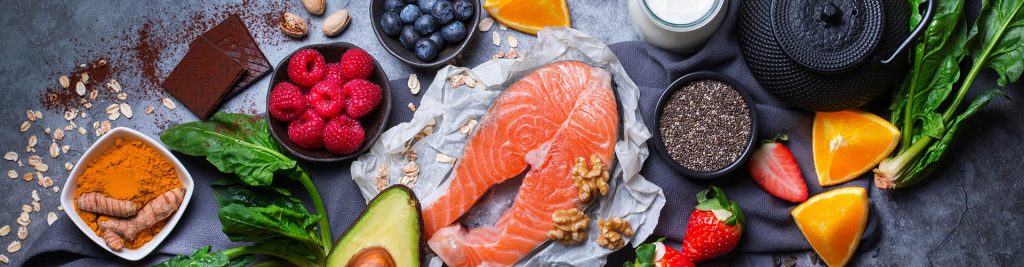
- Oily fish (eg, salmon, sardines, mackerel) – Rich in omega-3 fats like DHA for memory and learning. Aim for 2–3 serves per week.
- Berries – High in antioxidants that protect the brain. Add to cereal, smoothies or salads.
- Green tea – A natural source of L-theanine, which promotes calm focus.
- Dark chocolate (70%+ cocoa) – Contains flavanols that support concentration and blood flow to the brain.
- Walnuts and almonds – Provide healthy fats and vitamin E for long-term brain health.
- Wholegrains – Stabilise blood sugar, preventing energy dips that impair focus.
Easy Ways to Incorporate Nootropics
Just as you might add cinnamon or fruit to cereal to boost fibre and antioxidants, you can boost your meals with nootropic ingredients.
- Stir berries or walnuts into Greek yoghurt.
- Add a square of dark chocolate to an afternoon snack instead of sugary biscuits.
- Include wholegrain wraps, breads and pastas throughout the week.
- Include seafood in meals, like grilled salmon or mackerel salads, for brain-supporting omega-3s.
Gut-Supportive Foods: The Foundation of Stress Resilience
Your gut and brain communicate continuously through what is known as the gut-brain axis. Around 90% of serotonin (the feel-good hormone) is produced in the gut, so nurturing your digestive system can directly support your mood, energy and resilience.
Three Key Gut-Friendly Food Groups
- Prebiotics – These feed beneficial gut bacteria.
- Oats
- Garlic and onion
- Asparagus
- Bananas
- Lentils and chickpeas
Add prebiotics to daily meals just like adding vegetables to a pizza; the more variety, the better.
- Probiotics – These introduce helpful bacteria into your gut.
- Yoghurt with live cultures
- Kefir
- Fermented vegetables like kimchi or sauerkraut
Choose products with minimal added salt and sugar.
- Polyphenols – These plant compounds reduce inflammation in the gut and brain.
- Berries
- Olive oil
- Green tea
- Dark leafy greens
Putting It All Together: Building a Low-Stress Day
Just like you don’t need to choose between pizza and cereal, you don’t need to choose between adaptogens, nootropics or gut-boosting foods. You can enjoy all three throughout the day.
Breakfast
- Wholegrain oats topped with berries, walnuts and a teaspoon of maca powder.
- Green tea for calming alertness.
Lunch
- Wholegrain wrap with turkey, salad vegetables, pickled cabbage (for probiotics) and olive oil dressing.
- Optional side of dark chocolate (1–2 squares).
Dinner
- Stir-fry with tofu or salmon, garlic, onion, broccoli and wholegrain rice.
- Add reishi mushroom powder to broth-based dishes if using adaptogens.
Snacks
- Yoghurt with cinnamon and banana.
- A handful of almonds.
- Herbal tulsi tea for unwinding.
These small daily choices support your nervous system, enhance cognitive performance, and strengthen your gut, giving your body the tools it needs to handle everyday stress.
Take Home Message
You don’t have to pick sides in the functional food world. By rotating adaptogens, natural nootropics, and gut-nourishing ingredients throughout your week, you diversify your nutrient intake while supporting your stress response from multiple angles. Small, consistent changes lead to the greatest benefits.